



Points of Failure in a Family Office

Do family offices ever fail? Yes, they do. The reasons behind many failures involve family dynamics, in which generational and other differences create tensions and challenges. However, there is another major point of failure for family offices that is easier to correct—technology.
Why More Technology Means More Risk for Family Offices

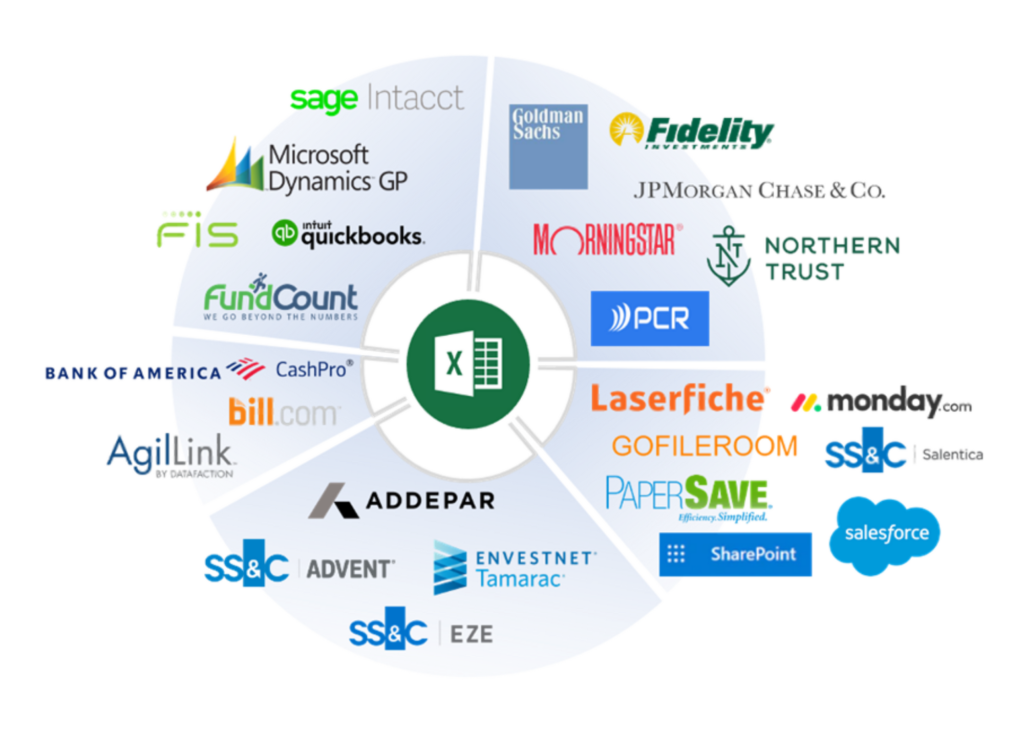
Most family offices today have multiple, discrete systems with little or no integration. These include separate GL, Investment Reporting, CRM, Document Management, and Transaction Processing applications all being used within a single office. Hard-working office staff are often forced to use Excel spreadsheets and high-cost manual labor to link these data and applications together, creating major inefficiencies that are costly to the offices and the families they serve. These manual business processes are also subject to risk, human modification, and error. Each disparate technological application and process an office utilizes increases the likelihood of incorrect data impacting the office or family.

But for family offices, which can be seen as easy targets for cybercriminals looking to defraud an account, the risk goes beyond potential staff error leading to inaccurate information.

External bad actors can take advantage of vulnerabilities in an office’s technology to gain access to data or – even worse – client funds.

The lack of enterprise-level integration is fraught with danger in an era of mounting cyber threats. Many offices falsely believe they are protected if their system incorporates APIs (application programming interfaces). However, even if there is an API, there is no guarantee of security. In June, a company called Akamai released a survey report focusing on APIs, which it described as “the attack surface that connects us all.” Another survey this year, this one from Radware, finds that over 92% of organizations report growth in their use of APIs over the past year, but exhibit over-confidence in their approach to API protection. It is worth listing two of their findings. The first involves the threat of undocumented APIs (where the lack of visibility into an API presents an unquantified risk). Over 60% of respondents felt a third of their APIs were undocumented. The second problem is that API attacks are flying under the radar (many existing tools are simply unable to detect and protect against API threats and attacks).

Cybersecurity vulnerabilities caused by holes in family office technology infrastructures impact disaster recovery, business continuity, and the ability of an office to survive a focused cyber-attack. And the more disparate systems an office utilizes, the more opportunities a bad agent has to breach the system and wreak havoc.

Protecting the Family Office Against Technological Failure

The solution to this growing cyber risk is adopting a more integrated platform approach with a single database, where the potential points of failure (and vulnerabilities) are minimized – you only need to protect one system and can inherit cybersecurity.

If you also layer onto that approach a cloud-native architecture with the highest levels of end-to-end encryption (where you can own the “key”) and built-in business processes and workflows, you have the tools for a secure, enterprise-level technology base to support the family office.

The result? A platform that can meet all the family office needs:
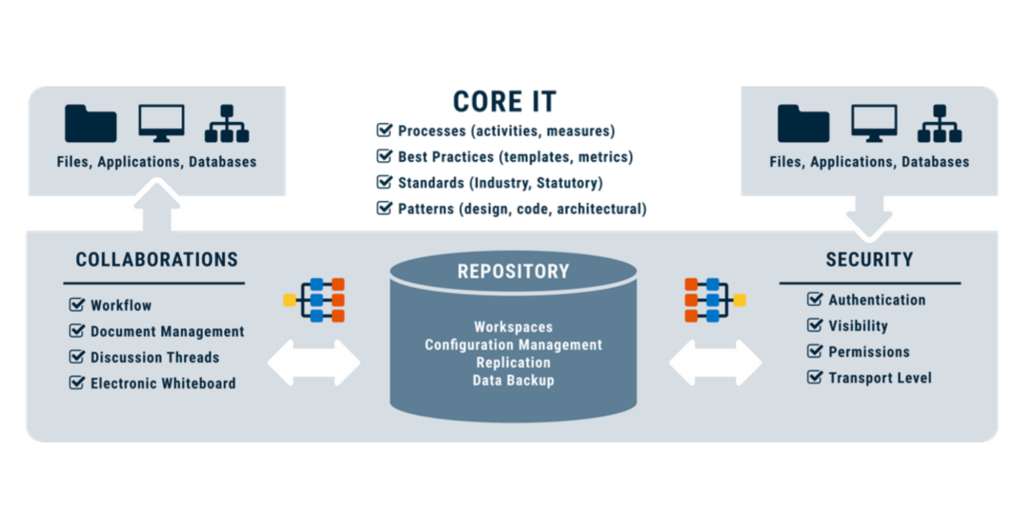
Family offices need to replace their current technology infrastructures and utilize an integrated enterprise platform designed and built for a family office. Such a technology platform offers a dynamic workflow and process management engine to dramatically streamline and improve work processes while bringing a new level of risk reduction and cybersecurity. It’s an approach that promotes the success of the office and protects against a major point of potential failure.

Time is Money: Even in a Family Office

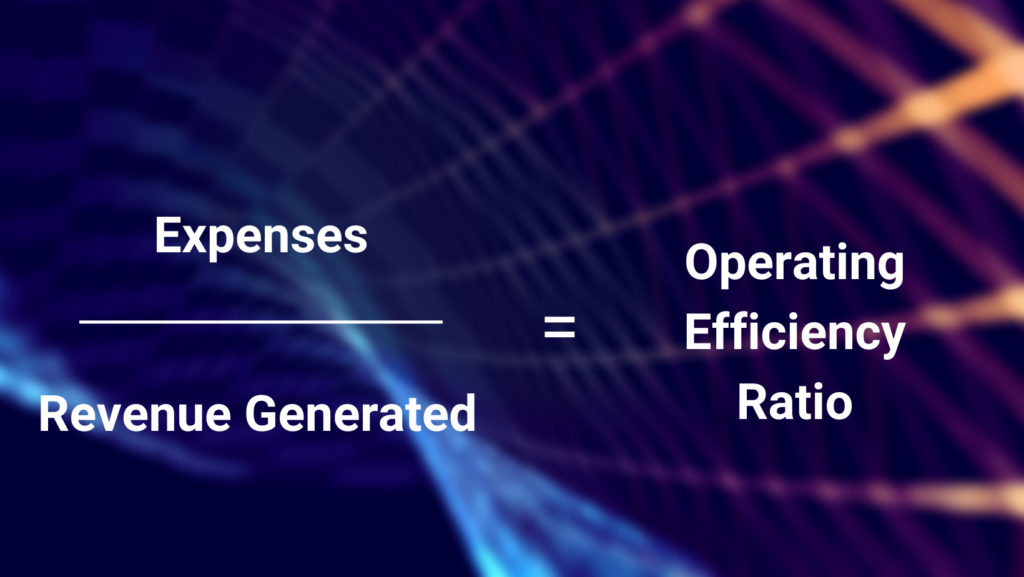
In business, it’s all about the bottom line. There are several factors that affect that bottom line, and an effective business leader will monitor them all. One of the most important measures is what’s called the operational efficiency ratio, also known as the indicator of the health of the business. The operating efficiency ratio compares the expenses to any revenue generated and obviously the goal is to have as low a ratio as possible—to be able to generate revenue in the most efficient way.

If the ratio is rising, or already too high, then the course correction is to make changes to business processes and the toolset available to the business to improve operational efficiency. This is the situation many family offices find themselves in right now. Although single family offices may not be operating for a profit, optimizing efficiency, expenses, and other resources is of utmost importance to the family and office leaders.

Staffing is Expected to Drive Rise in Costs

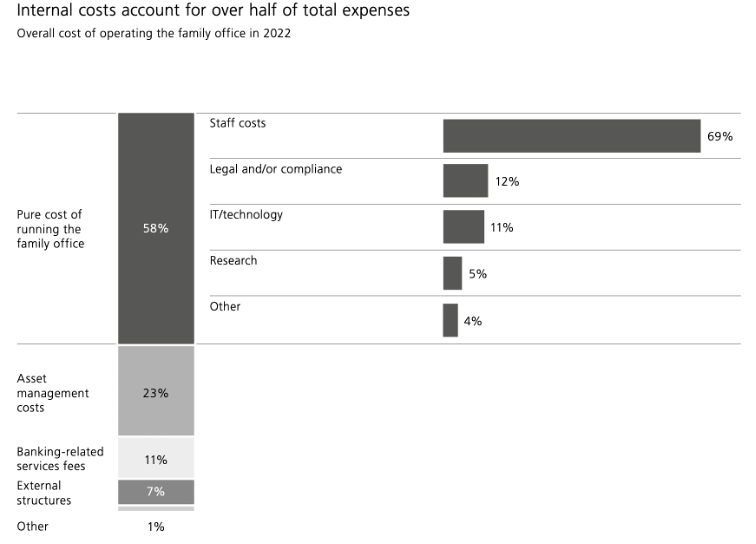
Family offices foresee rising costs over the next three years, with the greatest increases in staffing, their greatest area of overhead. In a recent survey, as shown below, more than half of offices (54%) expect staff costs – including hiring, salaries, and bonuses – to rise. Regionally, US family offices appear to face the greatest staff costs, with 80% expecting increases. Roughly two-thirds of Swiss (67%) and Middle Eastern (63%) offices have similar expectations. By contrast, survey respondents in Asia-Pacific (44%) anticipate less upwards pressure, and Latin America (22%) seems far less concerned about rising staff costs for family offices.

 (UBS GFO Report June 2022)

The cost of operating a family office has risen significantly, driven by salaries and wages, forcing offices to take actions they have long delayed. How should family offices proceed? Below are key areas they need to assess:

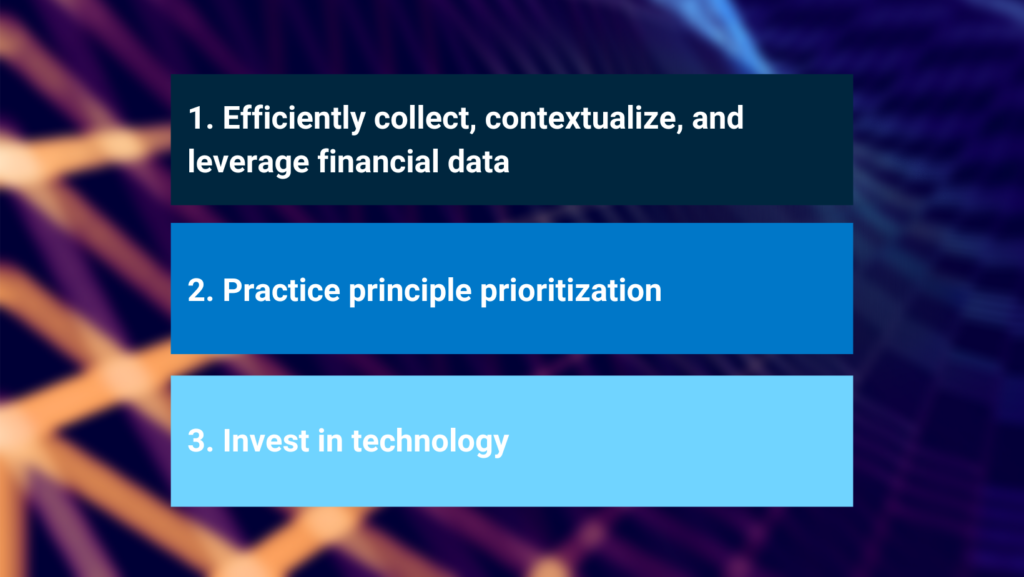
  1. Efficiently collect, contextualize, and leverage financial data
  2. A single source of data will help create data insights to streamline internal controls and workflows.
  3. Practice principle prioritization
  4. How does the 80/20 rule (80% of outcomes (or outputs) result from 20% of all causes (or inputs) for any given event) impact the office? Which 20% of the work really matters?
  5. Prioritization goes hand in hand with data collection and analysis, as a complete and clear picture can help you develop strategies to eliminate wasted time, effort, and talent. To streamline your workflows, implement continuous improvement methodologies, and analyze ongoing performance.
  6. Free-up resources and time to focus on things that produce maximum return on investment (ROI) for the family.
  7. Invest in technology
  8. Managing to capture, organize, and analyze your data, and then put the insights to good use, requires a robust set of tools.
  9. Implement a comprehensive family office software solution to give the office access to advanced data management and analytics, process automation, AI, and user experience.
  10. Gain full visibility into all your performance, compliance, spending, and other data generated by your business with a fully integrated, centralized, cloud-native solution.
  11. Eliminate disparate software environments to be able to work faster with more effective collaboration, communication, and strategic planning.
  12. Analyze data in real-time to generate fully customizable reports, forecasts, budgets, financial statements, etc.
  13. Streamline high-volume, low-value tasks through business process automation. This frees team members to apply their talents where they can generate the best return (while simultaneously boosting speed and enhancing performance and accuracy by eliminating human error).
  14. Integrate continuous improvement as part of an overarching digital transformation.
  15. Eliminate the expense and waste of paper-based, manual workflows, generating both immediate savings and long-term value.
  16. Establish, manage, and refine KPIs you can use in tandem with the operational efficiency ratio.

The approach outlined in the points above can significantly impact the ability of an office to efficiently and effectively manage the various processes, people, and systems that interact to deliver valued client outcomes.

They are also very interdependent, which is why operational efficiency changes are strategic and ongoing. Making change happen in a family office can be difficult and requires a catalyst. This is where choosing the right technology can automatically bring about the necessary changes around data and work prioritization.

Single family offices can fail. How an office structures and manages its operations is essential for delivering on the promise of a family office. A properly structured and maintained operational capability maximizes the client experience, in addition to realizing efficiencies and controlling costs.

Eton Solutions – The Family Office Software to Optimize Operating Efficiency

Eton Solutions built its AtlasFive® family office software specifically to address the complex needs of family offices and their clients. The solution integrates deep domain knowledge and best practices with best-in-class technology to better capture, manage and analyze data, automate time-consuming mundane tasks; eliminate errors and speed the time needed to generate accurate and trusted reports, forecasts, and budgets. It delivers true transparency, secure access to information, and greatly improved risk management. The result is greater productivity and better outcomes for the families that offices serve.

AtlasFive® is the right platform for family offices seeking to improve operational efficiency. It provides the only truly integrated platform for single and multi-family offices. It revolutionizes the efficiency of managing and operating these offices, and it meets and often exceeds the changing needs and expectations of the ultra-high-net-worth families being served.